

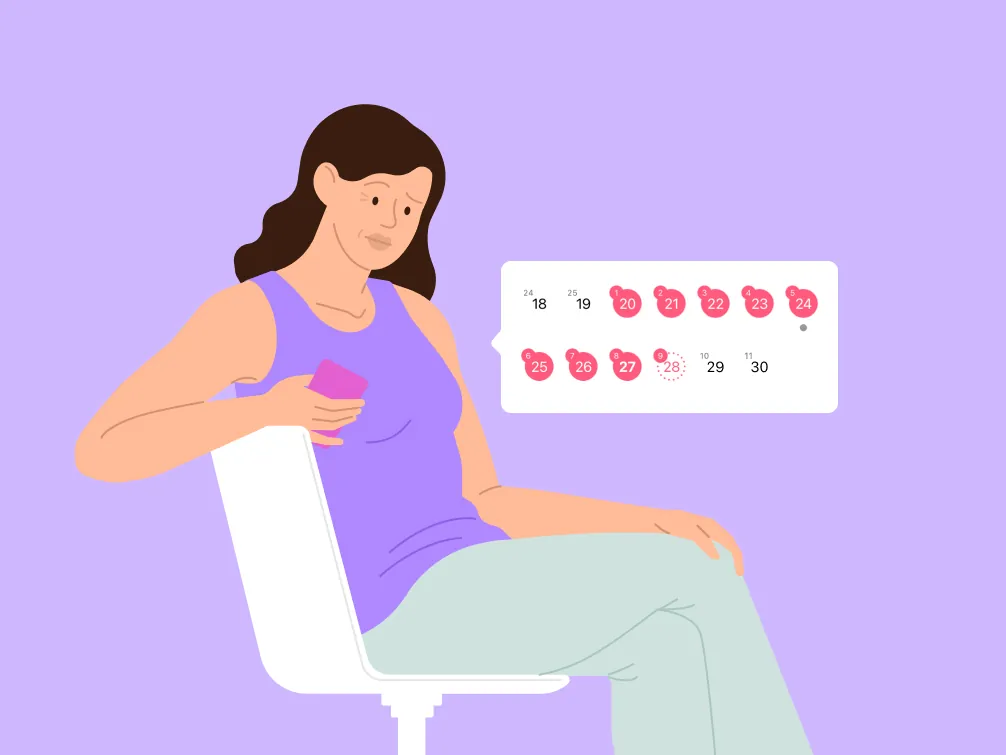
After 30, many women find their appetite less predictable: some weeks lunch feels optional, and other weeks you’re hungry again soon after breakfast. This isn’t just “willpower.” Appetite is shaped by hormones, sleep, stress, activity, and meal composition.
Because attention is scarce in a busy life, it helps to keep nutrition simple enough to repeat; if you’re tempted to click away and read more about something else mid-thought, a solid eating framework should still be easy to resume. The objective is adaptable meal patterns that work across cycle phases and the gradual shifts of perimenopause.
Contents
- 1 Why Hunger and Cravings Shift Across the Cycle
- 2 The Three Anchors That Work in Every Phase
- 3 Follicular Phase: Leverage Energy Without Under-Eating
- 4 Luteal Phase: Plan the “Upgrade” Instead of Grazing
- 5 Perimenopause: When the Calendar Is Less Reliable
- 6 A Low-Effort Weekly System That Reduces Friction
- 7 Practical Knobs for Cravings, Bloating, and Low Energy
- 8 Two Day Templates You Can Rotate
- 9 Conclusion
Why Hunger and Cravings Shift Across the Cycle
Estrogen and progesterone rise and fall across the cycle, influencing satiety, mood, and food preferences. Many women notice two broad trends:
- Earlier-cycle days can feel steadier.
- Late-luteal days (the stretch before bleeding) can bring stronger hunger, cravings, and a lower tolerance for long gaps between meals.
These are common patterns, not universal laws. Plan for variability rather than treating variability as a mistake.
The Three Anchors That Work in Every Phase
A scalable approach relies on three anchors you can use in any week:
- Protein at each main meal: improves fullness and reduces rebound snacking.
- Fiber-rich plants daily: supports steadier energy and a calmer appetite.
- Predictable meal timing: prevents long gaps that magnify cravings.
Follicular Phase: Leverage Energy Without Under-Eating
The follicular phase (from the start of bleeding through ovulation) often coincides with better energy and easier appetite regulation. This can be a good window for lighter-feeling meals—while still meeting basics.
A practical pattern:
- Breakfast: protein + fruit + a fiber-rich carbohydrate.
- Lunch: protein + two plants + a slow carbohydrate.
- Dinner: similar to lunch, adding a modest fat source for satisfaction.
The main risk is accidental under-eating because hunger signals are quieter; a real lunch and consistent protein prevent a late-day crash.
Luteal Phase: Plan the “Upgrade” Instead of Grazing
After ovulation, progesterone rises and body temperature increases slightly. For many women, this is when hunger gets louder and cravings feel more urgent. The most effective response is structured flexibility.
Tactics that tend to work:
- Add a planned snack (rather than grazing): protein + fiber.
- Shift more carbohydrates to dinner using high-fiber choices; this can support sleep for some people.
- Keep “salty” satisfaction inside the plan with crunchy plants, hearty soups, or roasted legumes.
A simple luteal adjustment is one extra mini-meal and slightly larger lunch or dinner portions, while keeping the same meal structure.
Perimenopause: When the Calendar Is Less Reliable
Perimenopause can begin years before the final menstrual period and often brings more irregular cycles, disrupted sleep, and fluctuating energy. Appetite may feel less tied to specific days and more tied to sleep quality and stress.
Two practical implications:
- Poor sleep amplifies appetite signals and cravings for quick energy the next day.
- Body composition can shift toward more central fat storage; consistent protein, fiber, and strength training are supportive.
A Low-Effort Weekly System That Reduces Friction
A simple system makes the “right” choice easier when time is limited:
- Two default breakfasts you can repeat without decision fatigue.
- One batch-cooked protein and one fiber-rich side (beans or whole grains) to assemble quick meals.
- Fast plants (frozen vegetables, pre-washed greens, fruit) to raise fiber without extra prep.
- A planned snack window you use when appetite rises, especially in late-luteal weeks.
Practical Knobs for Cravings, Bloating, and Low Energy
When appetite rises or cravings feel unusually intense, it helps to adjust a few “knobs” that change how satisfying a meal feels without turning the day into a negotiation. First, increase volume with plants: add a salad, extra vegetables, or a piece of fruit to the meal you are already eating. Second, tighten the protein anchor: if your meal feels unfinished, add a clear protein serving rather than chasing satisfaction with random snacks. Third, time carbohydrates deliberately: if you crash mid-afternoon, include a slow carbohydrate at lunch; if evening cravings spike or sleep feels fragile, shift part of that carbohydrate to dinner and consider a planned protein-and-fiber snack.
Bloating and water retention can also blur hunger cues. Consistent hydration and regular potassium-rich foods (beans, leafy greens, potatoes, citrus) often support a more even feeling, while very salty convenience meals can temporarily increase puffiness and cravings. Finally, treat caffeine as a tool: earlier timing tends to protect sleep, and better sleep usually makes appetite easier to manage the next day.
Two Day Templates You Can Rotate
Template A: Higher appetite day
- Breakfast: protein + fiber-rich carbohydrate + fruit
- Lunch: protein + vegetables + slow carbohydrate + modest fat
- Snack: protein + fruit/vegetables
- Dinner: protein + vegetables + a larger slow-carbohydrate portion
Template B: Lower appetite day
- Breakfast: protein + fruit
- Lunch: protein + vegetables + slow carbohydrate
- Optional snack: only if hunger appears, keeping it structured
- Dinner: protein + vegetables + a modest slow-carbohydrate portion
Both templates are “successful.” The point is to match intake to appetite without abandoning the structure that protects energy and satiety.
Conclusion
For women over 30, appetite is often a moving target influenced by cycle phases and, over time, the more irregular rhythms of perimenopause. Expect variability and build a flexible system: protein-forward meals, fiber-rich plants, predictable timing, and a planned luteal “upgrade” when hunger rises. Over weeks, that consistency supports steadier energy and a calmer relationship with food.
